Pluto, The Transformer: When Pluto Leads Your Chart
A Scorpio Sun is not a Pluto-led chart. We checked.
We ran sixteen famous Scorpio Suns through PathFinder, all with birth times rated AA or A. None of them came out as The Transformer, Pluto’s archetype. Leonardo DiCaprio is The Aesthete. Julia Roberts is The Warrior. Carl Sagan is The Elder. Pablo Picasso is The Responsible Authority, a pair archetype where the Sun and Saturn share the lead.
Four more Scorpio Suns turned up among the other charts we checked. One of them came out as The Transformer, though only narrowly. That makes one of twenty.
Now take the four people in this article who are Pluto-led. Two have the Sun in Cancer. One is a Gemini, one a Sagittarius. Not one is a Scorpio.
This is the second article in our series on the Archetype of Realization, one planet at a time. Part one covered Saturn, The Elder. This one is about Pluto, which stationed direct on 16 October 2026 at 3°04′ Aquarius.
What an Archetype of Realization is
PathFinder reads every chart through four points first: the Sun, the Moon, the Ascendant and the Midheaven. We call them the Four Primaries.
Each of the ten planets is scored on how strongly it ties into those four. Five signals count: an aspect to a Primary within 10°; ruling the sign a Primary sits in; essential dignity, meaning how comfortable the planet is in its sign; sitting in an angular house; and synergy, when one planet ties into more than one Primary.
The planet with the highest score is your dominant planet. It names your archetype. If the runner-up is within ten percent, you get a pair instead.
The Primary your dominant planet connects to most strongly is its connection point. It changes how the archetype is lived. A separate label, Known For, names your most elevated planet. PathFinder counts it by sign: the planet nearest the start of the tenth sign from your rising sign. That one needs a birth time. Roughly: the archetype says what drives you, and Known For is what other people notice first.
Pluto’s archetype is The Transformer. Its principle in the app reads: Power, transformation, depth, and the death-rebirth cycle. We read that last phrase as reinvention: something ends, and something new is built in its place.
Where The Transformer comes from
Pluto has no ancient astrology. Clyde Tombaugh found it at Lowell Observatory on 18 February 1930. An eleven-year-old in Oxford, Venetia Burney, suggested the name (Britannica). In 2006 astronomers reclassified it as a dwarf planet. Astrologers kept using it.
With no old texts to lean on, astrologers took its meanings from the name and the myth, and from decades of watching charts.
The myth is Greek. Hades is lord of the world below. His polite name was Plouton, the giver of wealth, because grain and metal come up from under the earth (Theoi Project). He takes Persephone down with him. Her mother Demeter grieves, and nothing grows. Persephone comes back up for part of each year, and the fields return (Homeric Hymn to Demeter).
The myth holds what is hidden and what is harvested from it together. Going down and coming back are part of the same story.
Modern astrology built on that. Liz Greene and Howard Sasportas wrote about Pluto as a descent you can cooperate with instead of only endure (The Gods of Change). Richard Tarnas describes Pluto as the force that “compels, empowers, and intensifies whatever it touches” (Cosmos and Psyche). James Hillman, writing as a psychologist, treated the underworld as the psyche’s own depth and as a way of seeing (The Dream and the Underworld).
This is the part of astrology people tend to fear. That is reasonable. Pluto has a heavy reputation.
By Pluto we mean depth, and a need to know what is real. We also mean the ability to end something cleanly and build again.
How The Transformer shows up
The gift is going to the root. Surfaces do not satisfy. You see what others miss, and you can stay with a hard truth.
There is a hard side too. Intensity can become the only register that feels true. Trust comes slowly, and then completely. Letting go can take longer than it should.
The way out uses the same skill: the part of you that digs deep can also choose what to keep and what to finish. Where that shows depends on the connection point.
The Ascendant is the coat you were born wearing: body, pace, the face at rest. People see it before you say hello.
The Midheaven is the sentence people say about you when you are not in the room. In the app the label reads “Career and public role”. Career is one expression of it. A public role in a small public still counts.
The Sun is the voice you hear when you talk to yourself. It shows when you are being yourself.
The Moon is felt in private and seen only in intimacy.
Through the Ascendant, people feel the intensity before you speak. Through the Midheaven, your work runs on change: rebuilding, investigating, turning things around. Through the Sun, you have ended and begun again more than once, on purpose. Through the Moon, loyalty runs deep and stays mostly out of sight.
Four charts where Pluto leads
Each chart below was computed on 16 October 2026 with PathFinder’s own code, tropical zodiac, Placidus houses. Birth data come from Astro-Databank, all rated AA. In every case Pluto leads alone, with no second planet sharing the lead.
One thing they share: all four have Pluto in Leo. That is only because they were born within twenty years of each other. Millions of people share that sign. What is personal is how Pluto ties into each person’s own four points.
Prince: The Transformer through the Midheaven
Pluto sits on his Midheaven, at the very end of Leo, less than a quarter of a degree away. It also rules his Scorpio Ascendant and opposes his Moon. His Sun is in Gemini, his Moon in Pisces.
The connection point is the Midheaven. The Transformer lives in his public role. His Known For is Uranus: Originality and Independence. Pluto sits on the Midheaven itself, but Uranus is nearer the start of Leo, his tenth sign, so Uranus gets the label.
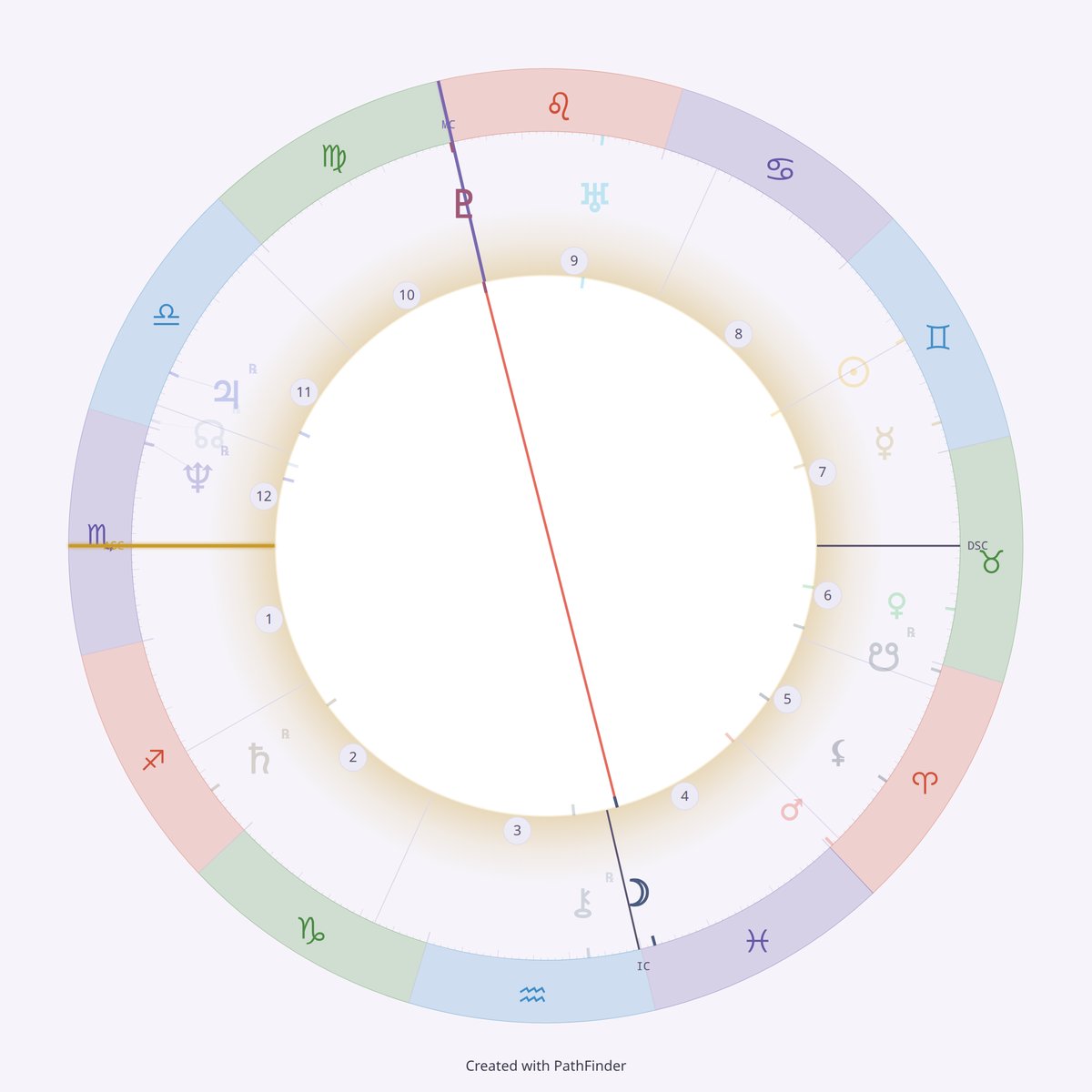
The public record fits. He wrote, arranged and produced his own albums from the start, and played most of the instruments himself. Over four decades he kept remaking his sound and his image, and in 1993 he even set his name aside for a symbol.
Robin Williams: The Transformer through the Midheaven
Pluto in Leo is conjunct his Midheaven, a little over three degrees away, and rules his Scorpio Ascendant. His Sun is in Cancer, his Moon in Pisces.
The connection point is again the Midheaven. His Known For is the Sun: Confidence and Presence.
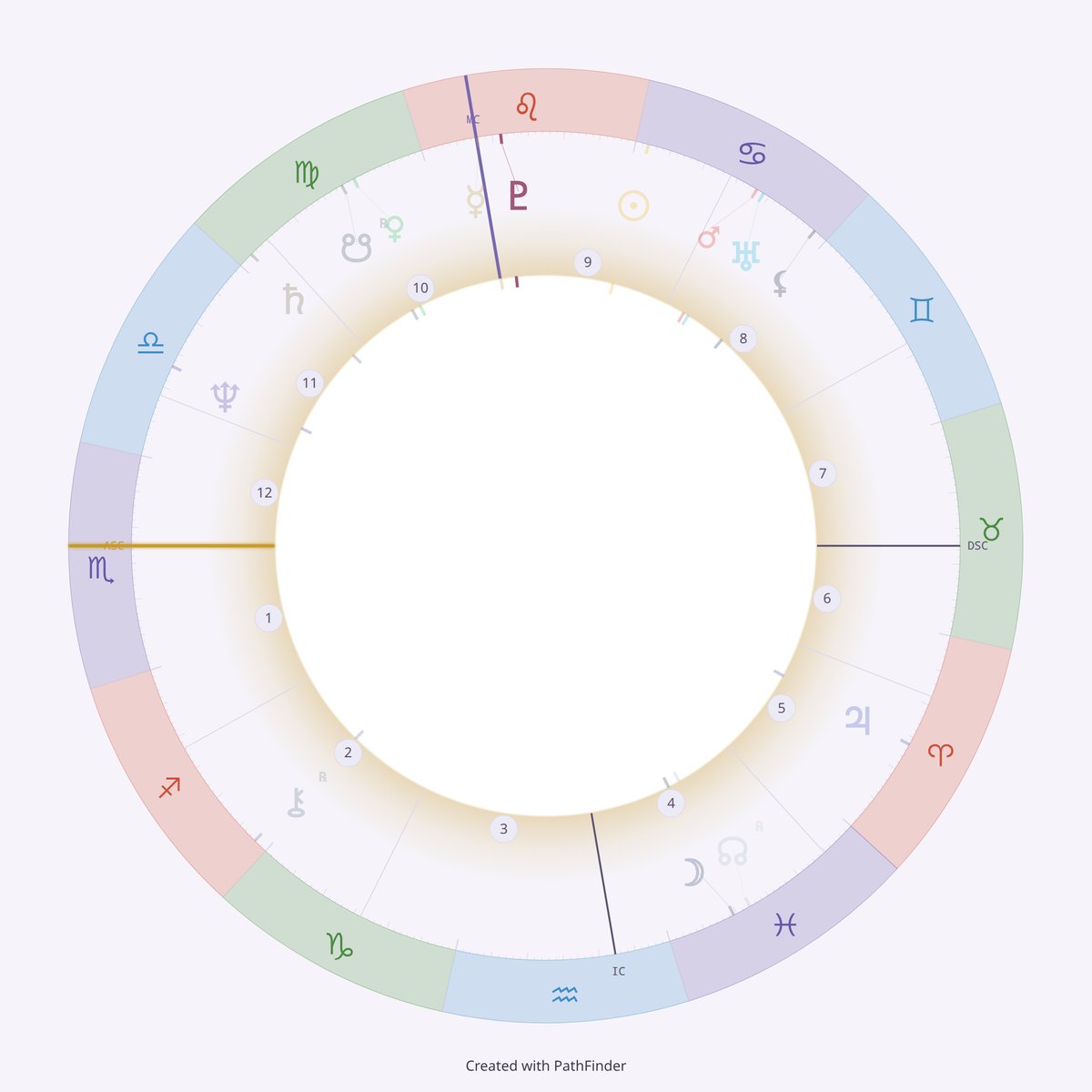
On stage he changed shape faster than an audience could follow: dozens of voices in a single routine, built on the spot. In film he moved from comedy to the dramatic role in Good Will Hunting that won him an Academy Award. The public saw the presence, while the work underneath kept transforming.
Jim Morrison: The Transformer through the Moon
Pluto in Leo squares his Moon within a degree. It also opposes his Aquarius Ascendant and rules his Scorpio Midheaven. His Sun is in Sagittarius, his Moon in Taurus.
The connection point is the Moon: private emotional life. His Known For is Venus: Grace and Taste.
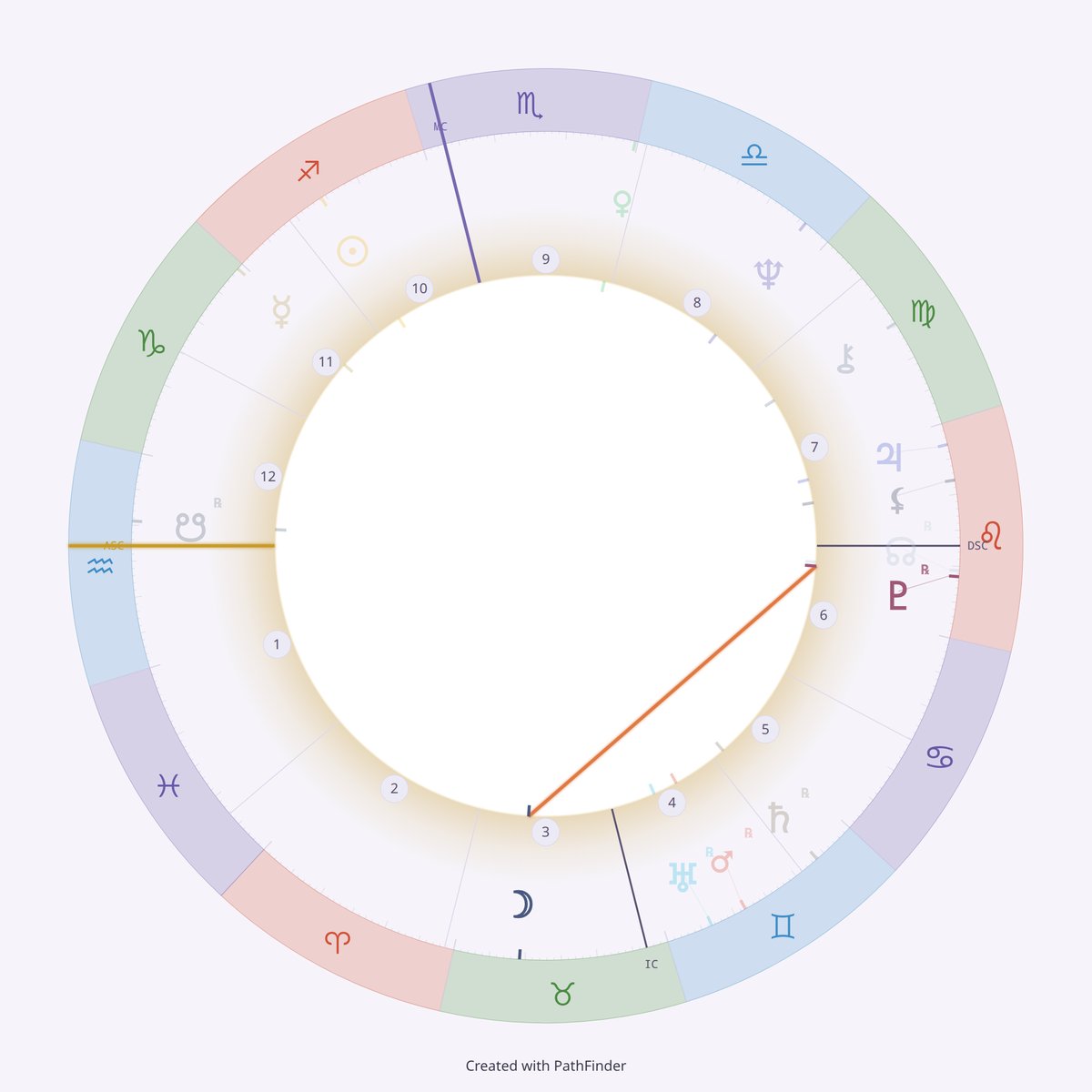
The world met him as the singer of The Doors. Venus as Known For fits the voice and the image. Underneath, he thought of himself as a poet first. He studied film at UCLA, wrote many of the band’s lyrics, and published his poetry in his own name. Through the Moon, The Transformer stays mostly inward, in the notebooks more than on stage.
Meryl Streep: The Transformer through the Moon
Pluto in Leo, in her 1st house, squares her Moon within a degree and trines her Midheaven. Her Sun is in Cancer, her Moon in Taurus, her Ascendant in early Leo.
The connection point is the Moon. Her Known For is the Moon as well: Empathy and Emotional Depth.
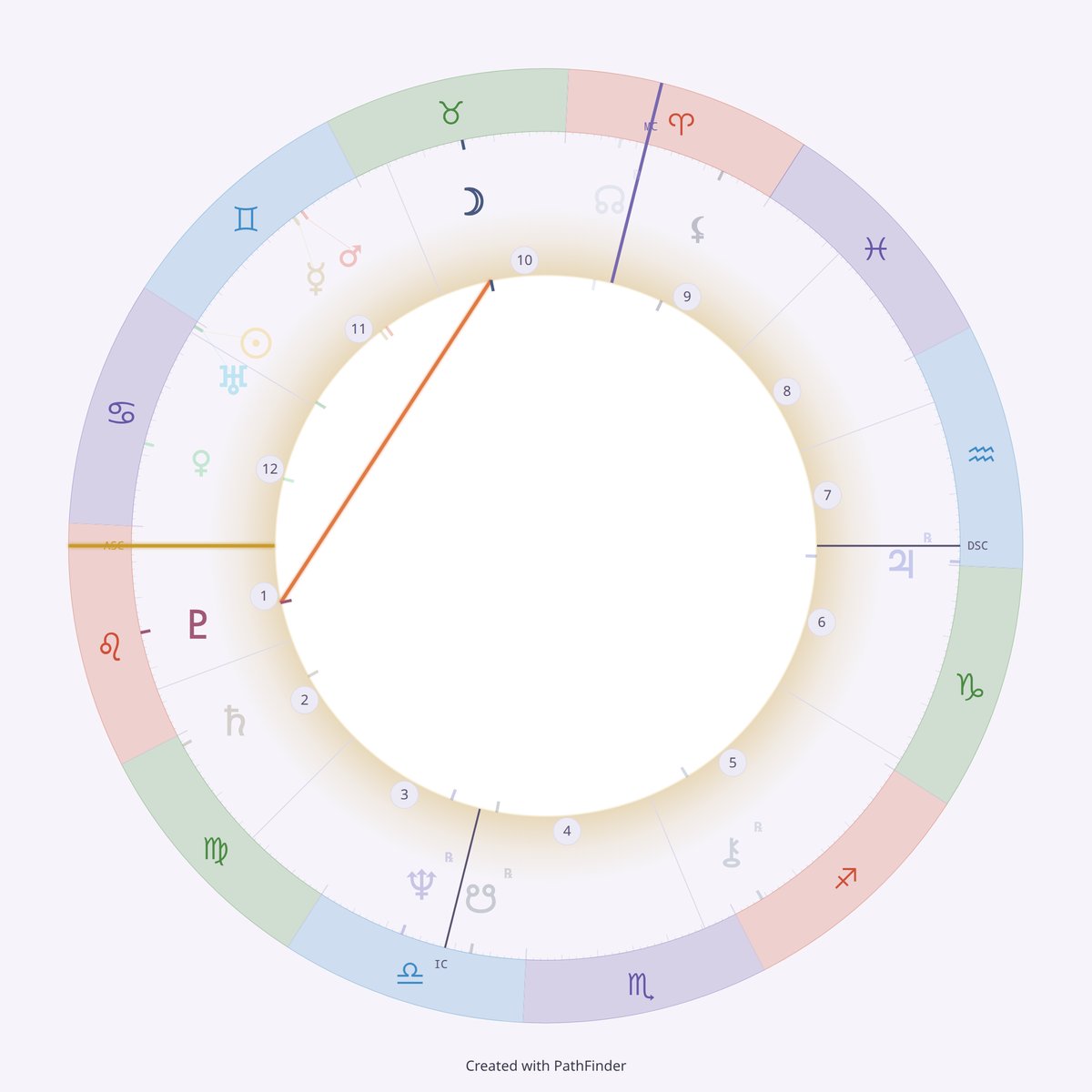
She is known for disappearing into a role: the accent, the posture, the inner life of someone else. Her work has earned more Academy Award nominations than any other actor’s. Here the Moon carries both layers, so what drives her and what people notice sit in the same place. In her work, deep feeling is transformed into character.
Known For Pluto is not the same as The Transformer
Back to the sixteen Scorpio Suns. Five of them have Pluto as their Known For: Intensity and Depth, their most elevated planet. Grace Kelly and Goldie Hawn are two of them. In all five, another planet leads. You can be known for intensity while something else drives you.
One tight aspect is not a dominant planet, either. Judy Garland has Pluto on her Ascendant, under two degrees away, and she is The Sage. Emma Stone has Pluto on her Sun, also under two degrees, and she is The Aesthete. The score looks at every link to all four points, for every planet.
Pluto doesn’t always lead alone. It forms nine pair archetypes. Saturn and Pluto together make The Indomitable Will. Pairs get their own articles later in the series.
Looking at your own chart
In PathFinder, open your natal chart and find your Archetype of Realization. You’ll see the name, the connection point and, if your birth time is known, your Known For.
If Pluto leads, look at which of the four points it runs through. If Pluto is your Known For but not your archetype, ask what the intensity people see is in service of. If it is neither, look at where Pluto touches your Sun, Moon, Ascendant or Midheaven. That is still where something in you asks to go deeper.
Next in the series comes another planet and another archetype. Until then: what are you still holding that has already finished, and what would you build in its place?
For self-reflection and educational purposes. Astrology is not a substitute for professional advice.